9000 BTU Mini Split - What Size Room Does It Cover?
If you're considering a mini split for your home, one of the first questions you’ll face is: What size room does a 9000 BTU mini split cover? While this may seem straightforward, the answer involves a variety of factors including insulation quality, regional climate, and the mini split’s design efficiency.
In this article, we’ll break down the 9000 BTU sizing with a rough guideline of coverage between 250 to 350 sq ft. We'll also help you understand what makes a mini split truly DIY-friendly, highlight key efficiency metrics like SEER2 and HSPF2, and share some cold-weather heating considerations. Along the way, we’ll mention some popular brands such as Zone Air, MrCool, and Senville, known for their quality and customer-friendly installation features.
Understanding 9000 BTU Mini Splits
BTU, or British Thermal Unit, is a measurement of the heating or cooling capacity of an HVAC system. A 9000 BTU mini split is considered a small to medium-sized unit suitable for a specific set of room sizes and conditions.
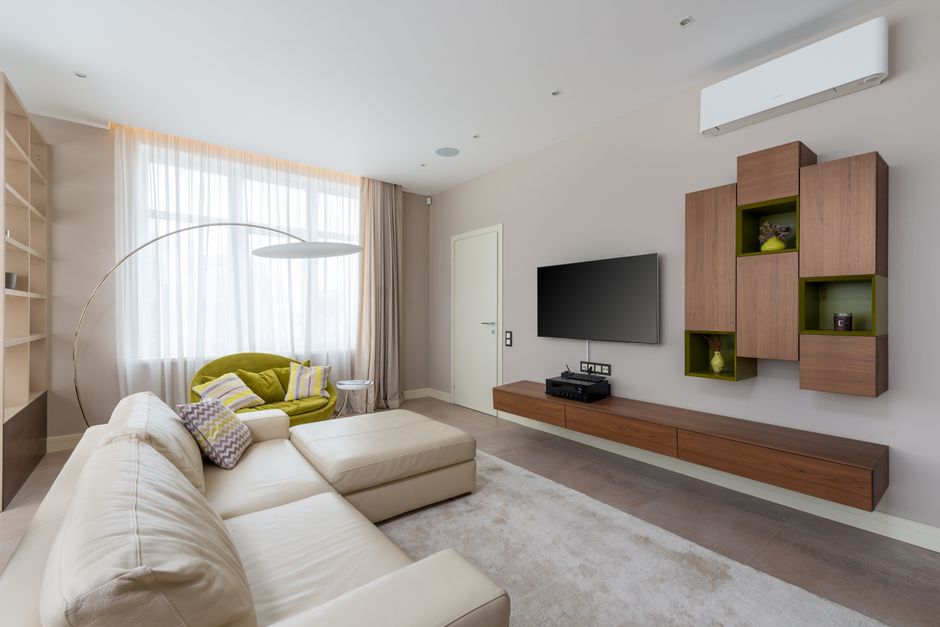
As a rough benchmark, a 9000 BTU mini split generally covers between 250 to 350 square feet. This is not a hard-and-fast rule, but it fits well for typical residential rooms such as:
- Small living rooms
- Bedrooms
- Home offices
- Dens and media rooms
Why 250-350 Square Feet? The Rough Guideline Explained
The range depends on factors like room insulation, ceiling height, window placements, and typical outdoor temperature extremes. For example:
- Well-insulated rooms with minimal sun exposure can lean toward the higher end of that size range.
- Rooms with poor insulation, many windows, or lots of sun may require more capacity or a smaller room footprint per BTU.
As a starting point, use 9000 BTU for 300 sq ft of well-insulated space, then adjust up or down based on your environment.
True DIY Mini Split Systems: What Does It Mean?
Historically, installing a mini split meant calling a licensed HVAC technician equipped with a vacuum pump and refrigerant gauges. This was the case because traditional split systems require refrigerant charging, evacuating air and moisture with the vacuum pump, and careful pressure measurements with gauges.
Enter the new generation of true DIY mini splits featuring pre-charged quick connect line sets. Brands like MrCool pioneered this technology, now followed by others including Zone Air and Senville. What makes these systems "true DIY"?
- Pre-charged Refrigerant: The refrigerant is factory sealed within the lines, so there’s no need to add refrigerant on site.
- Quick Connect Line Sets: These enable easy snapping together of the indoor and outdoor units without nuts, bolts, or hard-soldered joints.
- No Special Tools Required: You can install your own system without a costly vacuum pump or refrigerant gauges.
- User-Friendly Install Guides: These kits come with detailed instructions tailored for homeowners with basic DIY skills.
If you want to avoid calling in a pro and still get professional-grade efficiency, consider one of these true DIY models from MrCool or similar offerings by Zone Air and Senville. They’re designed to help you save on installation costs without compromising performance.
Why You Don’t Need Vacuum Pumps or Refrigerant Gauges
In a traditional mini split install, the technician must evacuate all the air and moisture from the refrigerant lines to avoid damage and inefficiency. This requires a vacuum pump. Then, refrigerant gauges help ensure the system charge is correct.
True DIY quick connect mini splits come pre-charged and sealed from the factory. The quick connects have built-in valves designed to keep https://www.re-thinkingthefuture.com/article/best-diy-multi-zone-mini-split-air-conditioners-2026-guide/ refrigerant locked in during transport and installation. When connected to the indoor unit, they open automatically to allow refrigerant flow, eliminating those complex service steps.
Efficiency Metrics: Understanding SEER2 and HSPF2 Ratings
When selecting a 9000 BTU mini split, pay close attention to its efficiency ratings. The newer standards SEER2 and HSPF2 have replaced the older SEER and HSPF values, offering more accurate efficiency measurements under real-world operating conditions.
- SEER2 (Seasonal Energy Efficiency Ratio, Version 2) measures the cooling efficiency across a typical cooling season. Higher SEER2 values mean better energy savings.
- HSPF2 (Heating Seasonal Performance Factor, Version 2) measures heating efficiency across a heating season.
When comparing models, look for 9000 BTU mini splits offering SEER2 ratings above 20 and HSPF2 above 10 for optimal energy savings and comfort. Brands like Zone Air and Senville often meet or exceed these marks in their mid-range product lines.
Cold-Weather Heating Reality Checks
Many homeowners turn to mini splits to provide efficient heating during colder months. But keep in mind the “cold-weather” limitations that affect heating capacity.
A 9000 BTU mini split may have a heating capacity rated at, say, 12,000 BTUs at 47°F outdoor temperature, but as temperatures drop below 20°F, heating capacity declines substantially. This is normal for most heat pumps due to physics.
If you live in a climate with frequent sub-20°F winters, a 9000 BTU mini split might heat only a smaller space effectively, or you may need a supplemental heat source for frigid days.
Some advanced systems from brands like MrCool offer enhanced cold-climate operation, including inverter-driven compressors and enhanced defrost cycles, extending usable heat output down to 5°F or lower. When researching models, check the manufacturer’s cold-weather performance ratings.
Summary Table: 9000 BTU Mini Split Room Size and Considerations
Factor Comment Typical Value / Note Cooling Capacity BTU rating of the unit 9000 BTU Ideal Room Size Area served under typical conditions 250 - 350 sq ft (rough guideline) Installation Tools Vacuum pump and gauges needed? Not needed for true DIY quick connect systems Efficiency Ratings Look for updated SEER2 and HSPF2 SEER2 > 20, HSPF2 > 10 ideal Cold Weather Heating Heating capacity reduces as temps drop Check ratings below 20°F; might need supplemental heat Recommended Brands Popular DIY-friendly mini split manufacturers Zone Air, MrCool, SenvilleFinal Thoughts
In summary, a 9000 BTU mini split typically suits spaces from 250 to 350 square feet, providing efficient heating and cooling with careful room and climate considerations. If you're keen on saving money and enjoying the satisfaction of a DIY install, seek out true DIY pre-charged quick connect systems from trusted manufacturers like MrCool, Zone Air, or Senville. These avoid the need for complicated refrigerant handling tools like vacuum pumps and gauges, making them homeowner-friendly without sacrificing performance.
Always evaluate SEER2 and HSPF2 ratings to ensure your mini split will save energy year-round, and check real cold-weather specs if you live in a harsh winter climate. Follow manufacturer sizing guides and don’t hesitate to consult with HVAC pros for borderline cases.
Ready to size your 9000 BTU mini split the right way? Keeping these guidelines in mind will help you achieve comfort, efficiency, and satisfaction with your new mini split system.