Can MRCOOL Mix Wall Mount and Concealed Duct in Their DIY Line?
If you’re seriously considering a DIY mini split system for your home, maybe you’ve come across MRCOOL, Zone Air, or even scouted the options at Home Depot. Each brand promises affordable, energy-efficient solutions, but the devil’s in the details.
One question I get a lot is whether MRCOOL’s DIY line supports mixing wall mount and concealed duct units — or if you’re limited by their multi-zone restrictions. I’ve lived with a broken whole-house AC for years and have tried to hack together portable ACs (nope, not worth it), so mini splits felt like the obvious upgrade. Before I drop over $2,000 on a Zone Air 12K BTU single zone (230V) or commit to MRCOOL, let’s break down what’s really feasible and what you should watch out for.
DIY Mini Splits: The Value and Real Pricing
Mini splits have become all the rage for a reason. They offer:
- Targeted heating and cooling per room
- Far easier installation compared to full HVAC systems
- Potentially high energy efficiency
Major caveat: DIY mini splits are far from cheap.
Item Price Zone Air 12K BTU single zone (230V) $2,049.99Even at $2,049.99 for a single-zone unit like the Zone Air above, you’re looking at a significant investment, especially if you need multiple zones. MRCOOL’s systems often come in similar price ranges, sometimes a touch less if you shop direct or during sales at Home Depot, but you need to watch for what's included.
Pre-charged line sets and quick connect fittings (which brands like MRCOOL advertise heavily) definitely make installation friendlier, especially for DIY enthusiasts. However, they do add cost. Often, you’ll find cheaper units advertised with vague “installation included” or “easy hook-up” language but little transparency around additional tool or material needs.
MRCOOL’s Multi-Zone Limits: Wall Mount and Cassette Only, No Concealed Duct Option
This is where things get a little disappointing for me as someone who always thinks about the “real house”—the kind that doesn’t want visible wall-mounted units everywhere.
MRCOOL’s DIY multi-zone setups currently only support wall mount and cassette-style indoor units. For those not familiar:
- Wall mount units: The traditional, visible mini split heads that sit high on your wall.
- Cassette units: These install flush into a dropped ceiling, making them less obtrusive visually.
Here's the kicker:
MRCOOL DIY multi-zone systems do NOT allow concealed duct indoor units. Concealed duct units are the “hidden behind the wall” option, connecting to small duct runs that deliver conditioned air through ceiling or wall vents, ideal for a cleaner look without bulky visible units.
This limitation doesn’t make MRCOOL less efficient or effective, but it’s a factor if aesthetics or certain room layouts matter. If you want concealed duct options, you have to venture into the dealer network systems where pros handle installation, like some high-end Carrier or Mitsubishi models — which come with their own steep price and installation headaches.
Wall Mount and Cassette Only: Why the Limitations?
From what I’ve pieced together in spec sheets and user reviews—MRCOOL’s pre-charged line sets and quick connect fittings only play nice with certain indoor units because of pressure drop and refrigerant flow considerations. Concealed duct units usually require different refrigerant charge levels and line set lengths, which is tricky to pre-charge and offer as a plug-and-play DIY solution.
So while “mixing and matching” wall mount and cassette is allowed, tossing a concealed duct into the DIY multi-zone mix isn’t supported. Not just because of hardware, but also due to warranty and liability concerns if the refrigerant setup is wrong.
Direct-to-Consumer vs Dealer Network: You’re Trading Convenience for Cost
MRCOOL, Zone Air, and even units sold at Home Depot are often direct-to-consumer or big-box store purchases. The upfront price is transparent and seems appealing for DIYers:
- Pros: No middleman markups, clear pricing like $2,049.99 for the Zone Air 12K BTU unit, and you get to install on your timeline.
- Cons: No professional installation support, DIY troubleshooting, and limited indoor unit options like we just discussed.
Dealer network systems offer a broader choice of indoor units, including concealed duct, and often come with pro installation and maintenance. But expect to pay more and endure longer lead times or upsells.
From my mom-of-three perspective balancing budget and sanity, this choice boils down to how hands-on you want to be and if you can stomach installing tricky electrical components. Please, if you aren’t 100% comfortable with electrical hookups, get a pro. Don’t DIY electrical stuff that you’re not fully confident in!
SEER2 and HSPF2 Efficiency Made Simple
I’m constantly irritated when companies toss around shimmery “high efficiency” claims without context. So here’s what you need to know:
- SEER2 (Seasonal Energy Efficiency Ratio 2): A measure of cooling efficiency under the new testing standard, which is more reflective of real-world use than the older SEER.
- HSPF2 (Heating Seasonal Performance Factor 2): Measures heating efficiency — critical if you’re using your mini split for heat during colder months.
You want to look at brands that provide SEER2 and HSPF2 ratings, not just the old ones or vague “up to” percentages. MRCOOL and Zone Air publish these ratings more reliably compared to some big box options, so you can compare apples to apples.
Higher SEER2 and HSPF2 ratings mean better efficiency https://smoothdecorator.com/can-you-mix-zone-air-wall-mount-and-concealed-duct-heads-on-one-condenser/ and lower energy bills, but beware of inflated claims. Often, MSRP materials mention these specs but gloss over installation realities — like how extended line sets or additional indoor units might drop overall performance.
Cold Climate Heating Down to -13°F: Why It Matters
As a homeowner in a place with truly cold winters, I always ask: will this mini split heat reliably down to below freezing temps? Both MRCOOL and Zone Air tout cold climate heating capabilities down to -13°F, which means their heat pumps won’t just quit when it’s freezing or colder outside.
This is a game changer in a retrofit or primary heating scenario for places like the upper Midwest or Northeast US.
Make no mistake, this doesn’t mean the mini split will generate summer-like warmth inside, but it keeps you from needing a costly backup heat source or an ugly electric heater for the coldest days.
Summary and What I’d Do in a Real House
So, can MRCOOL mix wall mount and concealed duct in their DIY line? The short answer: no, not for multi-zone systems. You’re restricted to wall mount and ceiling cassette only.
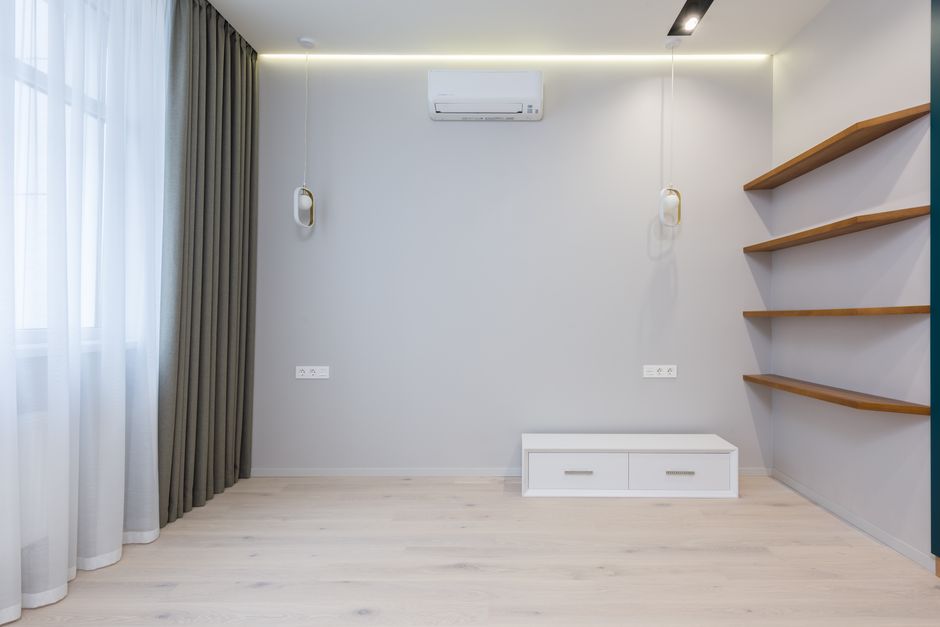
If you’re honestly okay with visible wall units or ceiling cassettes, and you want to save on installation by attacking it yourself, MRCOOL and Zone Air offer clear pricing (no vague “up to” nonsense) and efficient, cold-climate-capable systems in the DIY space.
If aesthetics or versatility—including concealed duct options—top your list, prepare to haul in a pro dealer and pay dealer network prices.
- Focus on brands that provide clear SEER2 and HSPF2 ratings.
- Make sure your DIY comfort and safety, especially with electrical.
- Calculate your total project cost including line sets, quick connect fittings, and tools.
- Consider long-term efficiency, not just upfront costs.
I've wrangled with HVAC headaches before, and if I were outfitting my real house today, I’d probably lean toward MRCOOL’s wall mount + cassette mix for DIY multi-zone if I was on a tight budget and confident in electrical. If I wanted concealed ducts, I’d start calling dealers.
Either way, don’t fall for hand-wavy claims or vague pricing, and whatever you do, don’t coil extra copper behind the condenser like some installers seem to think is okay. That just drives me Find more info nuts!