Does a 12,000 BTU Head Really Cover 550 Sq Ft or Is That Marketing?
When shopping for ductless mini-splits, you’ve probably noticed claims like “12,000 BTU covers up to 550 sq ft.” That sounds great — but does it really work out in a typical home? And what about the fine print affecting performance? After 12 years installing heat pumps and writing renovation guides, I’m here to help you cut through the marketing fluff. In this deep dive, we’ll tackle the real-world capacity of a 12,000 BTU head while naturally weaving in brands like Zone Air, MRCOOL, and Pioneer.
Understanding BTU Ratings and Square Footage Coverage
First off, a 12,000 BTU (British Thermal Unit) system is commonly marketed as suitable for 350 to 550 sq ft. That's a pretty wide range. Here’s what that typically translates to in a cozy, insulating normal home:
- 350 sq ft: A small bedroom or a medium home office with average 8-foot ceilings.
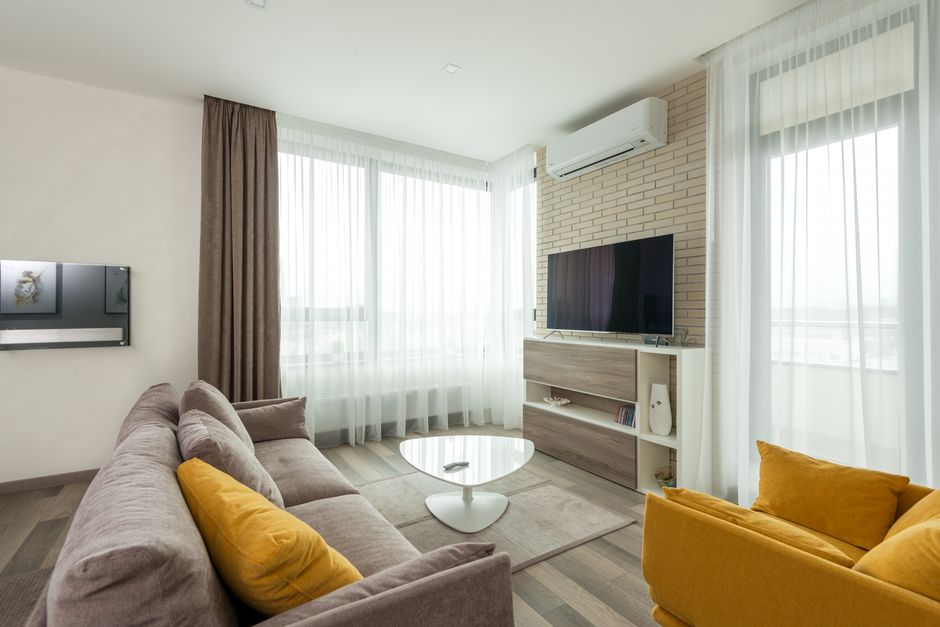
- 550 sq ft: A large living room, open kitchen area, or master bedroom with average ceiling height.
But remember: high ceilings, large windows with direct sun exposure, and poor insulation can easily tip the scales and demand more BTU capacity.
High Ceilings and BTU Adjustment
Higher ceiling rooms don’t just have more air volume—they also mean your head must work harder to equalize temperatures throughout. For ceilings over 9 feet, expect to add roughly 10%-20% more BTU capacity to avoid under-sizing.
Example: A 550 sq ft room with 10-foot ceilings might realistically require a 15,000 BTU unit to keep comfortably warm or cool.
Sun Exposure and Insulation Impact
Rooms flooded with direct afternoon sun or poorly insulated walls will pump up your BTU needs significantly. It’s not a marketing gimmick; it’s physics. The sun’s heat gain during summer or heat loss in winter means the nominal “square footage coverage” doesn’t hold.
Rule of thumb: Add 10%-20% capacity for sunny rooms with large south-facing windows and another 10%-20% if insulation isn’t up to code.
True DIY with Ductless Mini-Splits: What Does It Mean?
When you read about “DIY” ductless mini-splits, such as those from MRCOOL and Pioneer, the reality isn’t as simple as “plug and play.” Most still require you to handle copper refrigerant lines and vacuuming, which demands special tools and skills.
Pre-Charged Quick-Connect Linesets Make Life Easier
True DIY means the system comes with pre-charged quick-connect linesets — no need to use a vacuum pump or flare fittings. MRCOOL pioneered this approach, meaning a homeowner equipped with a drill and a 3-inch core bit or hole saw can install the head without specialized HVAC knowledge.
Pro tip: A level will save you hours ensuring the indoor unit is mounted straight, preventing drainage headaches.
Brand DIY Lineset Type Requires Vacuuming and Flaring? Typical Price Range for 3-Zone Kits MRCOOL Pre-Charged Quick-Connect No $4,100 - $5,600 (3-Zone Wall-Mount kits) Pioneer Traditional Copper Lines Yes, Vacuum and Flaring Required $3,800 - $5,200 (3-Zone Kits) Zone Air Varies by Kit; Some Pre-Charged Available Depends on model $4,100 - $5,600 (3-Zone Wall-Mount kits)3-Zone System Sizing and Planning BTUs per Room
Zone Air and other companies sell 3-zone wall-mount kits, typically priced around $4,100 to $5,600. These kits consist of one outdoor compressor and three indoor heads sized to different rooms.
3-zone kit planning checklist:
- Determine square footage of each room and adjust BTU based on ceiling height, insulation, and sunlight exposure
- Assign BTU ratings per head. Example: 9,000 BTU for a medium bedroom, 12,000 BTU for a sunny living room, 6,000 BTU for a home office
- Make sure total BTU draw matches the outdoor unit’s maximum capacity (a 3-zone 27,000 BTU outdoor unit is common)
- Check how controls work—does the system allow independent temperature control per zone?
Sizing one 12,000 BTU head to “cover 550 sq ft” often ignores these nuances, making it better as an upper limit under idyllic conditions.
Electrical Reality: 115V vs 230V and Permitting Costs
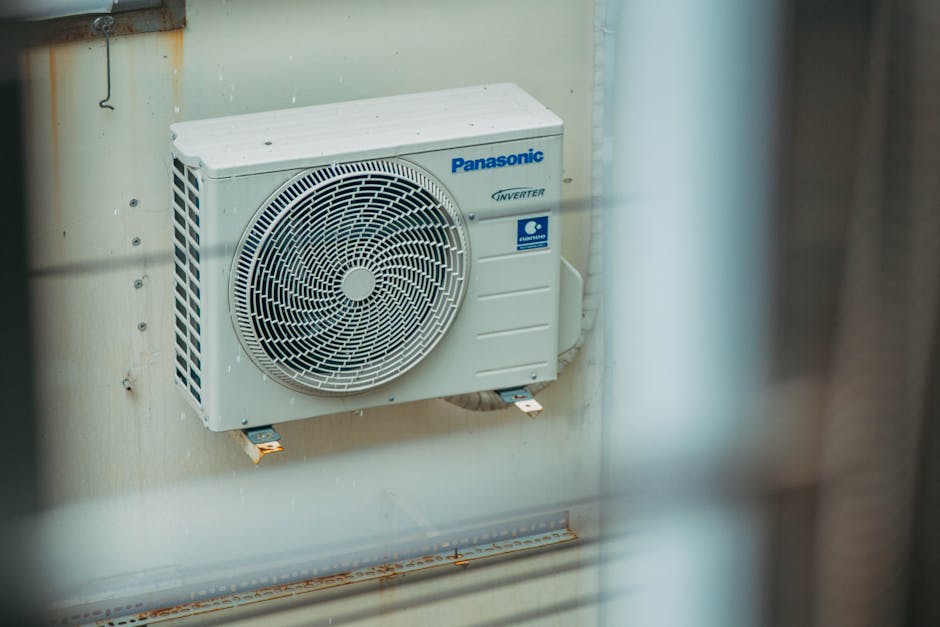
Many 12,000 BTU mini-splits run on 115V circuit breakers (15 or 20 amps), which fit into typical home wiring easily. However, zoning and bigger BTU units often require 230V breakers and heavier-gauge wire.
Why does this matter? Upgrading your electrical panel or adding a 230V circuit means calling an electrician, which can add several hundred to over a thousand dollars, depending on existing electrical infrastructure.
- 115V units: Easier DIY install with less chance of alerting electricians or inspectors
- 230V units (often 18,000 BTU+): Professional permit and wiring required, especially important for resale value and safety
Ignoring permits or cutting corners here can cause headaches down the line during home inspections or resale.
Cold-Climate Heating Performance: Don't Trust Marketing Numbers Alone
If you live in colder climates, you’ll want to know exact heating performance under severe cold. Some systems are rated down to 5°F, others down to -13°F.
Why the difference matters:
- Systems rated to only ~5°F may struggle or shut off earlier in freezing weather
- Units designed for -13°F operation maintain heating longer but usually come at a premium cost and power draw
MRCOOL and Zone Air offer cold-climate versions — but beware smaller heads rated at 12,000 BTU that don’t maintain heating output https://lilyluxemaids.com/can-i-plug-a-115v-outdoor-unit-into-a-regular-outlet-safely/ below 0°F well.
Checklist Recap: Planning Your 12,000 BTU Zone
- Assess actual heated/cooled space and adjust square footage for high ceilings or poor insulation
- Use sun exposure adjustment to upsize BTUs by 10-20% where needed
- Choose a brand with pre-charged quick-connect linesets ( MRCOOL best known) for true DIY ease
- Plan your multi-zone kits carefully; don’t rely on a single 12,000 BTU unit to cover >500 sq ft indiscriminately
- Check electrical requirements: 115V vs 230V and budget for electrician and permits accordingly
- Consider cold-climate requirements — picking a unit rated to at least -13°F if you expect severe winters
- Have tools ready: a drill with hole saw or 3-inch core bit for wall penetrations, and a level for mounting heads
Final Thoughts: Is 12,000 BTU for 550 Sq Ft Genuine or Marketing Hype?
In ideal conditions — average 8-foot ceilings, moderate insulation, low sun exposure — a 12,000 BTU unit can heat and cool up to 550 sq ft efficiently. But real homes rarely meet that perfect scenario. Higher ceilings, sun-drenched rooms, and cold climates demand more BTUs, or you Click here for info risk your system running constantly or failing to maintain comfort.
Always take advertised square footage with a grain of salt, and plan for your unique home's quirks instead.
Need a recommendation? Try MRCOOL’s pre-charged quick-connect lineset kits for easier installation, paired with a realistic multi-zone setup suited to your actual room sizes. And if you’re eyeing Zone Air or Pioneer, remember the potential extra cost and complexity of vacuum pumps and copper flaring.
With the right planning, toolset, and understanding of electrical realities, that 12,000 BTU head can be a powerful ally — just don’t buy blindly into marketing coverage numbers.