Does MRCOOL Assemble Overseas and Should I Care for a DIY Install?
If you're considering a mini split system for your home, the surge in DIY-friendly options can be both exciting and overwhelming. Brands like MRCOOL, Zone Air, and Pioneer dominate conversations, each touting unique features and installation conveniences. But when it comes to MRCOOL DIY multi zone systems, a common question arises: where are these units assembled, and should that fact influence your decision?
As a home decor blogger turned home-systems reviewer with nearly a decade in renovations, I've seen how mechanical choices subtly shape a room’s aesthetic and functionality. And installations? They aren't just nuts and bolts; they’re about line set strategies, warranty support, and ultimately, peace of mind.
Understanding True DIY versus Not-So-DIY Mini Splits
The distinction between a true DIY mini split and a not-really-DIY option is crucial. Many brands market "DIY" kits, yet the reality often demands a licensed HVAC technician for final hookups or system activations — and that diminishes the "do-it-yourself" allure. Here's where MRCOOL stands out.
- MRCOOL DIY Multi Zone Systems: These come pre-charged with refrigerant, meaning you don't have the traditional vacuum pump and refrigerant tap, which are usually required to avoid leaks and ensure system longevity. With MRCOOL’s line sets and quick connect fittings, homeowners can install indoor air handlers without specialized HVAC tools. This is a game-changer for true DIY enthusiasts.
- Zone Air's Build Your Own Tool: This online configurator guides customers through selecting system sizes, air handler types, and condenser units, streamlining choices but still often expecting professional line set installations or line set extensions that can be tricky for a novice.
- Pioneer: Offers good pricing but typically requires professional installation or at least coupling and evacuation using certified HVAC equipment, making it less DIY-friendly than MRCOOL.
However, “true DIY” doesn't mean ignoring electrical codes or bypassing local permit requirements. If you’re committed to managing your own install, be https://daisydustmaid.com/mrcool-fixed-line-set-sizes-16-25-35-50-ft-which-one-do-i-pick/ prepared to meet your area’s regulations.
The Assembly Question: Overseas or Domestic?
MRCOOL units are manufactured overseas, primarily in China and parts of Southeast Asia. This is common in the HVAC industry due to cost efficiencies. But does the country of assembly mean compromised quality? Not necessarily.
- Quality Control: MRCOOL holds a reputation for strict factory inspections and rigorous testing before products leave the facility. Quality control protocols ensure that components, especially their innovative quick connect fittings, work as intended.
- Warranty Support: Buying from companies like MRCOOL, who handle their own warranties, translates to reliable customer service. This contrasts with some brands where warranties are a tangle of third-party obligations and regional restrictions.
- Consistent Standards: Regardless of manufacturing location, MRCOOL adheres to U.S. standards for HVAC equipment. This helps maintain performance expectations, including cooling capacity, energy efficiency, and noise levels—a big deal when mini splits are part of visible living spaces.
As a renovation expert who values both appearance and function, I believe many customers worry unnecessarily about overseas assembly rather than focusing on the final install's craftsmanship. After all, your room isn’t cared for by the factory; it’s cared for by the way your system is integrated.
Aesthetics and Placement - More Than Just Function
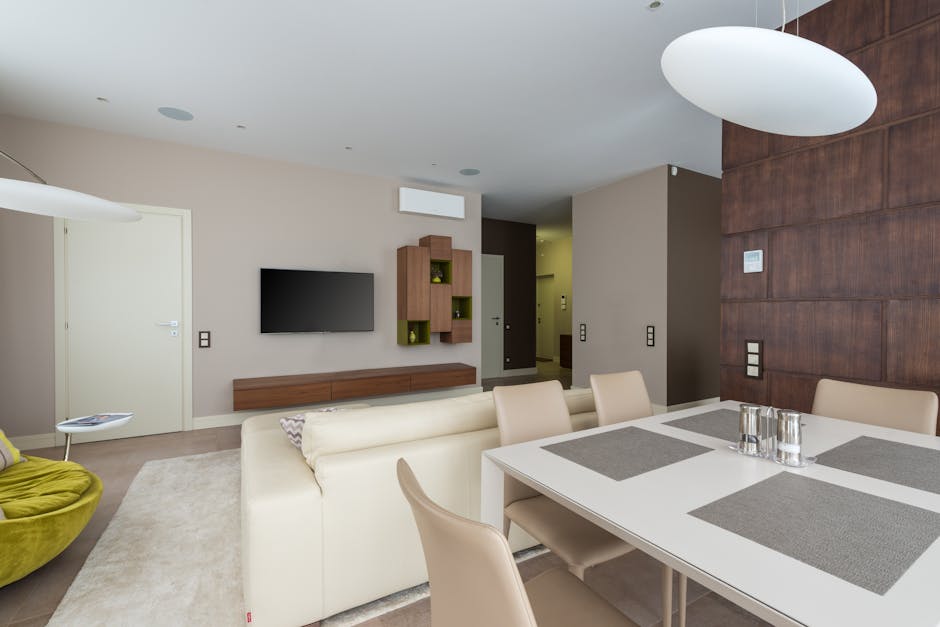
Installation involves aesthetics. It’s crucial to consider where air handlers will go, especially in older homes with plaster walls and original trim. Positioning is a decor decision, balancing airflow efficiency with the room’s visual flow.

Before drilling holes or mounting brackets, I suggest:
- Cardboard Cutouts: Use cardboard pieces the size of the indoor unit and temporarily tape them to walls. This helps visualize scale and placement relative to furniture and gallery walls. (Speaking of which, things that ruin a gallery wall include visible mini split wiring and uneven head placement.)
- Line Hide Considerations: From a patio or garden vantage point, the visible line set and condenser location can make or break curb appeal. MRCOOL’s quick connect fittings allow for cleaner line set runs and smaller coil manipulations, but it’s up to the installer to hide or paint line covers thoughtfully.
- Mixing Air Handler Types: MRCOOL systems allow multiple indoor units on one condenser, sometimes mixing wall-mounted, ceiling cassette, or even floor-mounted types for the same zone. This enhances comfort while introducing more complex line set routing considerations.
Line Set Strategy and Leak Risks - The Invisible Art
The line set, that slender copper tube carrying refrigerant, is the lifeline of any mini split. While MRCOOL pre-charged quick connect line sets reduce many traditional risks like improper charging, they aren’t immune to mechanical damage or poor installation practice. Overly long coils, improper bends, or cheap couplers can lead to slow leaks, energy loss, or complete failure.
Some tips when planning line sets for a DIY install:
- Keep Length Within Limits: Longer lines create pressure drops. MRCOOL’s system manual specifies maximum line set lengths, critical to follow for warranty validity.
- Avoid Excessive Coiling: Coiling line sets to take up slack isn’t just clutter; tightly bent coils increase leak risk and complicate clean line insulation.
- Use Correct Quick Connect Fittings: MRCOOL's quick connect line sets are advanced but designed with specific coupling mechanisms. Do not mix with traditional couplings or use third-party fittings that void warranties.
And yes, although it's a DIY-friendly system, I always recommend at least a consultation or final check by a licensed professional. Even if you connect everything right, a licensed technician can pressure test the system to catch invisible leaks before they balloon into costly repairs.
Should You Care Where MRCOOL Assembles Your Unit for a DIY Install?
In the end, where MRCOOL assembles your mini split matters less than how you position, install, and maintain it. Overseas assembly paired with strong quality control and warranty support results in a product that’s competitive against many traditionally installed HVAC options.
For DIYers, the sweet spot is MRCOOL’s DIY multi zone product line, combined with careful planning using tools like Zone Air’s Build Your Own configurator and adherence to local rules. These resources empower homeowners but also remind us that some technical steps—line set connections, electrical hookups, and final system tests—warrant respect and occasionally professional involvement.
Summary Table: MRCOOL Versus Other Brands for DIY Mini Splits
Feature MRCOOL DIY Multi Zone Zone Air Pioneer Assembly Location Overseas, with strong QC Overseas Overseas True DIY Capability Yes, pre-charged quick connect fittings Some DIY, often requires pro help Limited DIY, pro install preferred Warranty Support Direct and reliable Varies with sellers Third-party complexity Line Set Flexibility Quick connect, limits on coiling Standard couplings, professional required Standard couplings, professional required Indoor Unit Variety Multiple types per condenser Mixed options Multiple types available Tools for Planning MRCOOL guides + DIY friendly Build Your Own tool No dedicated build toolFinal Thoughts
If you are a hands-on homeowner wanting to install a mini split without the extra expense of professional installation, MRCOOL DIY multi zone systems are among the best choices out there. Though assembled overseas, their strict quality control and excellent warranty support make them a reliable option.
When planning your installation, treat this as a holistic project that intertwines aesthetics, technical installation, and local code compliance. Use tools like Zone Air’s Build Your Own tool to clarify your system needs, test head placements with cardboard cutouts for a room-friendly look, and efficient multi zone mini split pay special attention to line set routing and coupling.
Remember, a well-planned DIY install isn’t just about saving money — it’s about preserving your home's charm, ensuring long-term comfort, and protecting your investment.
Have questions or need guidance on your next mini split project? Drop a comment or reach out — I love helping fellow DIY enthusiasts marry HVAC and home decor with smart, stylish installs.