What Happens If I Undersize a Garage Mini Split?
An undersized mini split can still heat or cool a garage, but it may struggle to reach your set temperature—especially during a cold snap or a hot, sunny afternoon. The most obvious clue is that it runs constantly without making the space comfortable. Other undersized BTU symptoms include uneven temperatures, long recovery times after opening the garage door, and a system that fails in extreme temps by falling behind just when you need it most.
That does not mean you should automatically buy the largest unit you can afford. Oversizing can also cause problems, and a garage’s insulation, air leakage, ceiling height, door use, and climate all affect the load. Here’s how to think through the consequences of undersizing, size a garage system more carefully, and compare electrical and equipment options before buying.
What “undersized” means for a garage mini split
A mini split’s capacity is usually listed in BTUs per hour (BTU/h). If the unit’s heating or cooling capacity is lower than the garage’s actual heat loss or heat gain, it cannot keep up with the load under those conditions. It may still maintain your target temperature on mild days, then fall behind when outdoor temperatures become more extreme.
Garages are often harder to condition than interior rooms. A typical bedroom benefits from insulated walls, a ceiling below a conditioned floor, and neighboring heated or cooled rooms. A garage may have an uninsulated overhead door, leaky edges, exposed framing, a concrete slab, and a large ceiling volume. Cars and tools can also bring in moisture, heat, or cold air. A BTU estimate designed for an ordinary interior room can therefore be misleading.
Garage-specific BTU sizing: start higher, then verify
As a rough starting point, a garage may need 30% to 50% more capacity than an interior room of the same floor area. Treat that as a screening adjustment—not a complete sizing formula. A well-insulated, air-sealed garage may need less than a drafty garage with a thin metal door. A high ceiling, frequent door openings, or severe outdoor temperatures can increase the load.
Before choosing a model, gather the details that affect sizing:
- Area and ceiling height: Measure the floor and note whether the ceiling is unusually high or open to a loft.
- Insulation: Check the walls, ceiling, rim areas, and especially the overhead door. Insulation labels and actual installation quality both matter.
- Air leakage: Look for daylight around doors, damaged weatherstripping, and gaps around penetrations.
- Use of the garage: A workspace with people, lights, and equipment has different heat loads than a storage garage.
- Local design temperatures: Consider typical winter lows and summer highs, not just average weather.
- Door habits: Repeatedly opening a large garage door can dump conditioned air quickly.
Use the manufacturer’s sizing guidance or, for a challenging space, ask for a load calculation based on the garage’s construction and local climate. Do not rely only on a generic square-foot chart. Also check the unit’s published capacity at low and high outdoor temperatures. A system’s nominal BTU rating does not tell the whole story about what it can deliver during a cold winter evening.
Undersized BTU symptoms to watch for
1. It runs constantly but never reaches the setpoint
Inverter mini splits can run for long periods by design, modulating their output instead of cycling on and off like some traditional systems. So continuous operation alone does not prove the unit is undersized. The stronger clue is that it runs near its limit while the room temperature stays well above the cooling setpoint or below the heating setpoint during demanding weather.
2. The temperature swings when the weather changes
An undersized system might handle a mild day but lose ground during a heat wave or cold snap. In heating mode, the indoor temperature may drift downward even though the unit keeps operating. In cooling mode, it may take hours to pull down a hot garage after the overhead door has been open.
garage insulation r-13 btu3. Comfort is uneven or recovery is slow
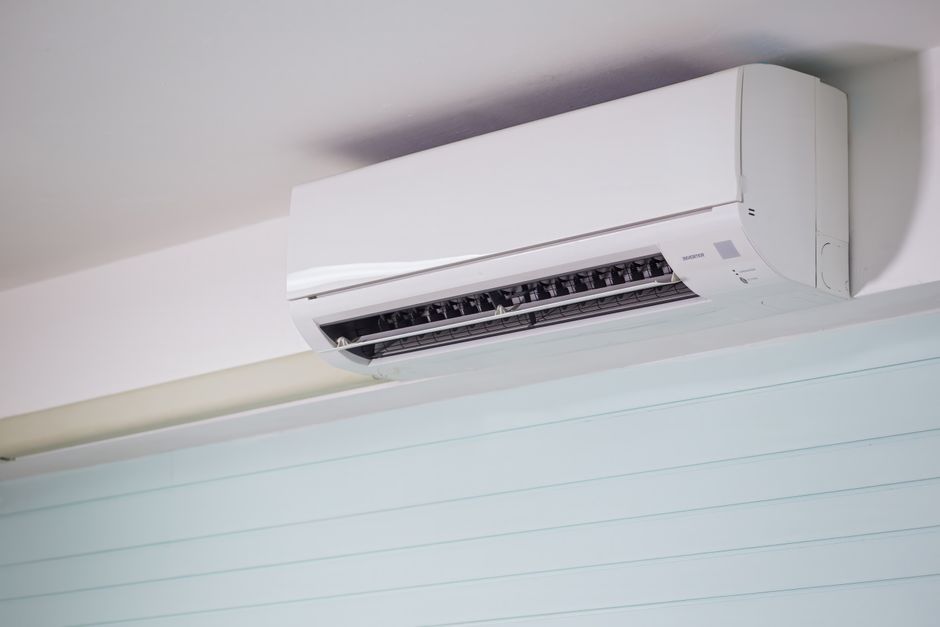
Mini splits distribute air from one indoor head. If the head is poorly placed or the garage is long and divided, one area may feel comfortable while another remains cold or warm. A capacity shortfall makes that harder to overcome. Airflow obstructions, dirty filters, and poor placement can produce similar symptoms, so check those before blaming the BTU rating.
4. It struggles in extreme temperatures
Cold-climate performance varies by model. Some systems retain useful heating capacity at low outdoor temperatures; others lose capacity more quickly or have a lower minimum operating temperature. A unit that is already marginal Extra resources may fall behind when outdoor conditions reduce its available output. Read the performance tables and operating limits for the exact model rather than assuming all mini splits behave alike.
What undersizing can cost you
A smaller unit may have a lower purchase price, but that does not guarantee lower operating costs. If it runs at high output for long stretches, it can use more electricity than expected while still leaving the garage uncomfortable. The actual bill depends on the unit’s efficiency, weather, setpoint, insulation, electricity rate, and how often the garage door opens.
Repeated operation at maximum capacity is not automatically damaging; equipment is designed to operate within its rated limits. But constant high demand can mean more wear over time, and a system that cannot meet the load may tempt you to raise the thermostat, add portable heaters, or run other equipment—each with its own cost and electrical considerations.
Heating capacity and efficiency deserve particular attention in cold-winter climates. A mini split’s performance may decline as outdoor temperatures drop, and defrost cycles can interrupt heat delivery. If the garage must stay warm during the coldest weather, size around the required winter performance, not just the advertised nominal capacity.
Efficiency ratings: SEER2, HSPF2, and the electric bill
SEER2 measures seasonal cooling efficiency under updated test procedures. HSPF2 measures seasonal heating efficiency. Higher ratings generally indicate more efficient performance under the test conditions, but they are not a direct promise of a particular bill or a guarantee that a model will maintain full capacity in your climate.
Compare ratings only among systems that are otherwise suitable for your garage. A high-SEER2 model that is too small can still fail to keep up. For heating, review the manufacturer’s capacity and efficiency data at the outdoor temperatures you actually expect. Also look for the model’s low-temperature operating range and whether any backup heat is recommended.
A simple way to estimate energy cost is to multiply electricity use in kilowatt-hours (kWh) by your utility’s price per kWh. For example, if a system averages 1.5 kW for 10 hours, it uses about 15 kWh; multiply that by your rate to estimate that day’s energy charge. Real usage varies because an inverter unit changes output, weather changes the load, and defrosting affects heating operation. Use this calculation as a comparison tool, not a precise bill forecast.
Zone Air vs. MRCOOL for a DIY garage installation
When comparing Zone Air and MRCOOL, compare the exact systems and the support attached to the purchase—not just the brand names. Product availability, installation requirements, warranty terms, and included accessories can differ by model and seller. Confirm the current details in the product documentation before ordering.
What to compare Zone Air MRCOOL DIY installation approach Check the specific model’s line-set and installation requirements; do not assume every offering is designed for the same DIY process. Some MRCOOL DIY models use precharged quick-connect line sets intended to simplify installation. Verify the exact model’s instructions and permitted line-set routing. Electrical requirements Read the nameplate and installation manual for voltage, minimum circuit ampacity, and maximum overcurrent protection. Use the same checks: requirements vary by model, so do not infer them from another MRCOOL unit. Warranty and support Confirm who handles product questions, parts, and warranty claims, and whether DIY installation affects coverage. Confirm warranty conditions, registration requirements, and what installation work is allowed or excluded. Line-set fit Check the included length, allowable length, and routing instructions before purchase. Check the quick-connect line-set length and routing rules. Avoid an installation that leaves extra line coiled behind the condenser if the manual prohibits or discourages that arrangement.For either brand, read the installation manual before buying. Check whether the line set reaches the planned indoor-head and outdoor-unit locations without violating bend-radius, length, or elevation limits. Do not assume a quick-connect system eliminates every technical or code requirement. Local permits and rules may apply, and some work may still require a qualified professional.
Angi can be a starting point for finding local HVAC or electrical professionals if you want help with a load calculation, circuit installation, or a review of the proposed setup. Verify credentials, insurance, scope of work, and relevant local requirements rather than choosing solely by a listing or estimate.
115V plug-in or 230V dedicated circuit?
Some smaller mini splits are designed for 115V power, and certain models may use a plug. Others require 230V hardwired power. The choice is not simply “easy plug-in versus powerful hardwire”: follow the exact unit’s electrical specifications and your home’s available circuits.
- Check the nameplate and manual: Confirm voltage, minimum circuit ampacity (MCA), and maximum overcurrent protection (MOCP). These values guide circuit and breaker requirements.
- Do not assume a garage outlet is suitable: A receptacle may share a circuit with lights, tools, or other loads. A plug-in unit still needs a circuit that meets the manufacturer’s instructions.
- Use a dedicated circuit when required: Many systems call for a dedicated branch circuit. A 230V unit generally needs the specified two-pole breaker and correctly sized conductors.
- Never use an extension cord as a workaround: It can create a safety hazard and may conflict with the manufacturer’s installation requirements.
- Check the panel first: Available breaker spaces and panel capacity matter. A panel that appears full may need professional assessment, not an improvised connection.
If the system needs new wiring, a breaker, or a disconnect, have a qualified electrician determine what is appropriate for your panel and local code. Do not size a breaker from the unit’s BTU rating or copy one from a different model.
Installation choices that affect performance
Correct sizing cannot compensate for poor placement or a leaky garage. Seal gaps around the overhead door and service door, and improve insulation where practical. Weatherstripping is often a useful early upgrade because reducing air leakage lowers the heating and cooling load the mini split must handle.
Place the indoor head where its airflow can reach the work area without being blocked by shelving or a vehicle. Follow the manufacturer’s clearance requirements for both units. The outdoor condenser needs suitable airflow and a stable base. A condenser pad can provide a level surface at ground level; wall brackets may be an option where elevation helps with snow clearance or space. Either choice must meet the manual’s support, clearance, vibration, and service-access requirements.
Can you fix an undersized mini split?
First rule out problems that imitate undersizing. Clean the filter, confirm the selected mode and setpoint, check that louvers and airflow are unobstructed, and inspect door seals. Make sure the outdoor unit is not blocked by snow, leaves, or stored items. If performance remains poor, have the system checked for installation or refrigerant issues by a qualified technician; do not open refrigerant connections or attempt repairs beyond the manual’s homeowner maintenance instructions.
If the unit is operating correctly but still cannot meet the load, the durable fixes are usually to reduce the garage’s heat loss and gain, add properly designed supplemental heat where appropriate, or replace the unit with a correctly sized system. A professional load calculation can help distinguish a true capacity problem from poor airflow, installation defects, or unrealistic expectations about maintaining indoor-room temperatures in an uninsulated garage.
The bottom line
An undersized garage mini split often runs constantly, takes too long to recover, and may fall behind or fail to keep up in extreme temperatures. Because garages have larger doors, more leakage, and often less insulation than interior rooms, begin with a garage-specific estimate—often 30% to 50% above an interior-room baseline—then verify it against the actual construction and local weather.
Compare the exact Zone Air and MRCOOL models for capacity, low-temperature performance, line-set requirements, warranty, and electrical specifications. Treat SEER2 and HSPF2 as useful efficiency comparisons, not substitutes for correct sizing. And before choosing a 115V plug-in model or a 230V system, confirm the circuit requirements with the installation manual and, when needed, an electrician. A properly sized unit paired with air sealing and sound installation is much more likely to keep your garage comfortable without relying on guesswork.