What Should I Ask an Office Designer Before Signing Anything?
As businesses adapt to the evolving nature of work, especially with the rise of hybrid models and shifting employee expectations, designing an office space has become more complex than ever. Whether you're planning a complete office overhaul or a modest upgrade, knowing the right questions to ask your office designer before signing a contract can save you from costly mistakes and ensure a workspace that truly supports your team.
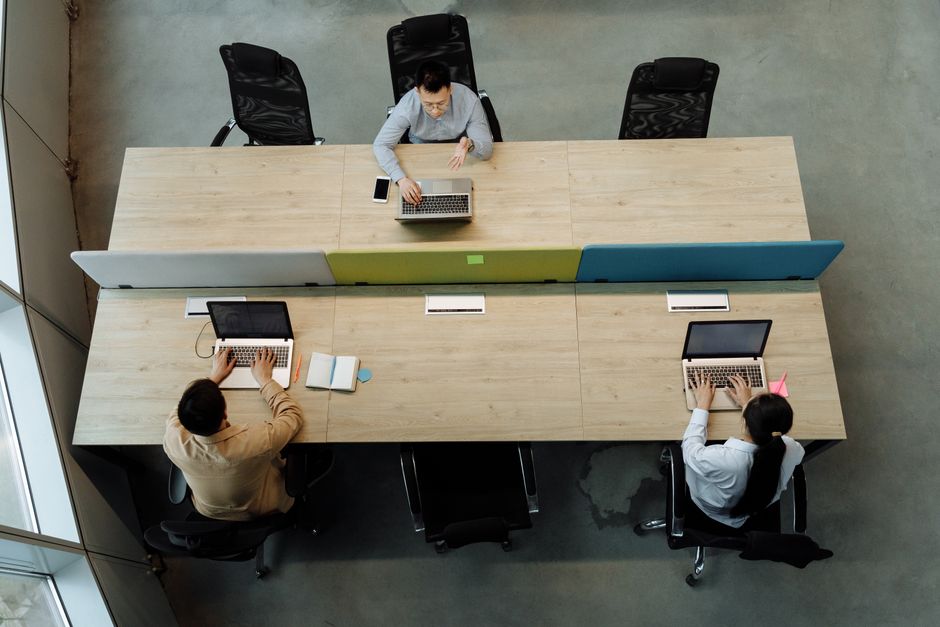
In this post, we'll explore essential office design questions to ask, why workflow planning matters, and how understanding technology requirements plays a key role in future-proofing your office. We'll also naturally weave insights inspired by industry leaders like Lum Chang Brandsbridge and Harvard Business Review to anchor your decisions in proven expertise.

1. Understanding the New Reality: Hybrid Work and Changing Expectations
Organizations worldwide are rethinking what an office means in the age of hybrid work. According to insights featured in Harvard Business Review, hybrid models—where employees split time between remote and in-office work—require spaces that support agility and both synchronous and asynchronous interactions.
Before signing any office design contract, ask:
- How will the design support hybrid work? Will there be workstations for intermittent use, or hot-desking zones?
- How does the design accommodate various employee preferences? From solo “focus zones” to collaborative hubs, are diverse work styles addressed?
- What flexibility is built into layouts for future changes? Given the pace of change, can spaces be adapted without major renovations?
By prioritizing these questions, you avoid a design that quickly feels outdated or fails to meet evolving employee needs.
2. Flexible Layouts and Multi-Purpose Zones
One trend gaining momentum is the creation of spaces that serve multiple functions. For example, a lounge area might double as an informal meeting spot, or a conference room could quickly transform into a workshop space.
The Lum Chang Brandsbridge team emphasizes designing with flexibility at the core. Notably, their projects demonstrate how modular furniture, movable partitions, and varied seating arrangements help optimize real estate while enhancing user experience.
Questions to ask about layout flexibility include:
- Will furniture and walls be modular or fixed?
- How can spaces be quickly reconfigured for different types of meetings or work modes?
- Are there dedicated areas for collaboration distinct from quiet/private zones?
- How does the layout maximize natural light and minimize noise interference?
Table: Features of Flexible vs. Fixed Layouts
Feature Flexible Layout Fixed Layout Modular Furniture Yes, movable and adaptable Built-in and permanent Wall Partitions Retractable/movable for space change Permanent walls Space Use Multi-purpose zones Single-use defined areas Adaptability for Future Needs High Low to moderate3. Designing Based on Real Workflows
Design isn't just about aesthetics or trendy furniture layouts — it's about supporting how your team actually works day-to-day. Workflow planning should be a central focus of your discussions with any office designer.
Before signing, ask your designer:

- Have you observed or analyzed our team's workflows? (e.g., through interviews, time studies, or shadowing sessions)
- How does the design enable seamless transitions between tasks? For example, proximity of project teams or integration of support services.
- How are bottlenecks or distractions minimized? Think corridor layouts, noise control, and ease of navigation.
- How is technology integrated to streamline workflows? From video conferencing setups to charging stations and dedicated areas for equipment.
When designers base their work on actual observed workflows instead of assumptions, the result is a space tailored to improve efficiency and employee satisfaction.
4. Balancing Collaboration Vs. Privacy
One of the trickiest office design challenges is striking the right balance between encouraging collaboration and providing sufficient privacy. Your workspace must foster spontaneous interactions and teamwork, yet also allow for focused, distraction-free work when needed.
Harvard Business Review highlights that poorly designed offices can either make employees feel isolated or chronically distracted, both detrimental to productivity.
Essential questions include:
- What types of collaboration spaces are included? (e.g., huddle rooms, open meeting areas, informal lounges)
- Are there soundproof pods or quiet zones for private work and calls?
- How can these spaces be booked or reserved to avoid conflicts?
- What noise masking or acoustic treatments are planned?
- How do circulation paths minimize disruption between collaborators and heads-down workers?
5. Technology Requirements: A Critical Cornerstone
No modern office is complete without seamless integration of technology, which supports everything from communication to security. During your conversation, dig deep into the office designer’s approach to technology requirements.
Key questions to ask include:
- How does the design support current and emerging technologies? For example, 5G-compatible spaces, IoT devices, or video conferencing infrastructure.
- Are cable management and connectivity easily accessible and future-proofed?
- What provisions are made for ergonomics related to technology (screen placement, power outlets, lighting)?
- Is there a plan in place for smart building features such as automated lighting, access control, or HVAC control?
- How will the design accommodate the appropriate number of power/data ports per workspace?
As offices incorporate more tech-driven tools, these considerations ensure your workplace remains competitive and smooth functioning for years to come.
Final Thoughts
Taking the time to ask these pointed office design questions before signing any agreements can transform a renovation project from a risk into a strategic investment. With the right focus on hybrid working realities, flexible layouts, actual workflow planning, privacy, collaboration balance, and robust technology integration, you’ll create a dynamic environment https://lilyluxemaids.com/how-do-i-plan-a-flexible-office-if-we-might-move-again-in-18-months/ where people thrive.
Remember that trusted names like Lum Chang Brandsbridge exemplify how combining function and adaptable design elevates commercial spaces. Meanwhile, insights from Harvard Business Review keep you anchored in evolving work trends and human-centered workplace strategy.
Finally, when reviewing presentations or digital portfolios from your designer, tools like Squarespace CDN help display crisp, https://annamaid.com/what-furniture-makes-an-office-layout-easy-to-change-later/ high-quality office imagery—something to keep in mind as you visualize your future workspace.
By equipping yourself with these questions and insights today, you’re taking confident steps toward an office that works as hard as your team does.